Brother: A Handwritten Font for Strategic Design and Brand Expression
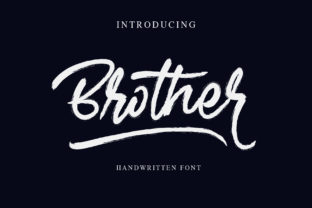
The Brother font is a unique handwritten typeface that captures the essence of brush-stroke artistry. Created with a brush, it exudes a classic, elegant style that can elevate any visual project. Its organic feel makes it ideal for applications where a personal touch is desired, such as watermarks, album covers, business cards, and more. But beyond its aesthetic appeal, Brother offers strategic value for those who understand how to use it intentionally.
For professionals and creators, the choice of typography isn’t just about appearance—it’s about communication, branding, and audience engagement. Brother provides a way to convey authenticity and creativity without sacrificing professionalism. Whether you're designing a logo, crafting a marketing campaign, or developing a personal brand, this font can help you stand out in a crowded digital space.
Strategic use of Brother requires understanding its strengths and limitations. It works best when paired with clean, modern designs that balance its fluidity with structure. Overuse or poor pairing can dilute its impact, making it essential to approach it with purpose and clarity.
Why Brother Matters in Modern Design
In today’s design landscape, authenticity is a powerful differentiator. Brother brings a human element to digital work, bridging the gap between traditional craftsmanship and modern technology. This makes it particularly valuable for businesses aiming to build emotional connections with their audience.
Entrepreneurs and marketers can leverage Brother to create a sense of trust and relatability. For instance, a small business owner might use it on a website header to communicate a handmade, personalized approach. Similarly, a musician could apply it to an album cover to evoke a vintage, artistic vibe that resonates with fans.
Brother also supports long-term branding efforts. When used consistently across materials, it helps reinforce a cohesive identity. This consistency is key to building recognition and loyalty among customers.
When to Use Brother: Practical Scenarios
Brother is not a one-size-fits-all font. Its suitability depends on the context and the message you want to convey. Here are some scenarios where it can be strategically effective:
- Watermarks: Brother adds a subtle, elegant touch to documents, logos, or images, making it ideal for protecting intellectual property while maintaining a professional look.
- Business Cards: A handwritten font like Brother can make a lasting impression, especially for creative industries such as design, photography, or writing.
- Album Covers: Musicians and artists often seek fonts that reflect their style. Brother’s brush-like texture can enhance the visual storytelling of an album.
- Marketing Materials: From social media posts to email newsletters, Brother can add personality and warmth to your messaging, helping you connect with your audience on a deeper level.
- Personal Branding: Bloggers, influencers, and freelancers can use Brother to express their individuality and create a distinct visual identity.
Each of these applications highlights how Brother can serve specific goals. However, the key is to align its use with your overall strategy and audience expectations.
How to Approach Using Brother Effectively
Using Brother effectively starts with a clear understanding of your design goals. Ask yourself: What message do I want to communicate? Who is my audience? How does this font fit into my broader visual identity?
One practical approach is to test Brother in different contexts before committing to it. For example, try using it in a mockup of a business card or website header to see how it looks alongside other elements. This helps identify potential issues early and ensures a more polished final result.
Another tip is to pair Brother with complementary fonts. While it has a strong personality, it may benefit from a more structured typeface in supporting text. This contrast can enhance readability without compromising the font’s unique character.
Additionally, consider the medium where Brother will be used. On digital platforms, ensure that it renders clearly at different sizes. For print, check how it appears on various paper types and under different lighting conditions.
What to Consider Before Relying on Brother
While Brother is versatile, it’s important to recognize its limitations. Not all audiences may respond positively to a handwritten font, especially in formal or corporate settings. If your brand aims for a more rigid or technical image, Brother might not be the best choice.
Also, think about accessibility. Some users may find handwritten fonts harder to read, particularly if they have visual impairments. Always prioritize legibility, especially when using Brother in critical areas like headings or call-to-action buttons.
Finally, consider the cultural and contextual implications of using a handwritten font. In some cases, it may not align with the tone or expectations of your target market. Research your audience and tailor your design choices accordingly.
The Risks of Using Brother Without Clear Intent
Without a clear purpose, Brother can become a distraction rather than an asset. Randomly applying it to designs without considering its impact can lead to inconsistent branding and confused messaging. This is especially risky for businesses that rely on a strong, recognizable identity.
Another risk is overuse. If Brother appears too frequently across different materials, it may lose its effectiveness. The same applies to poor placement—using it in areas where clarity and professionalism are essential can undermine your message.
To avoid these pitfalls, always ask: Does this use of Brother support my goals? Is it appropriate for this context? Will it resonate with my audience? These questions can help guide your decisions and ensure that Brother enhances, rather than detracts from, your work.
Strategic Observations for Long-Term Value
Brother’s value lies in its ability to add a human touch to digital and print media. As trends shift toward more authentic and personalized experiences, fonts like Brother will continue to play a role in shaping brand perception.
For professionals, this means staying attuned to how typography influences user experience and brand identity. By using Brother thoughtfully, you can differentiate your work and create a lasting impression in a competitive market.
Ultimately, the goal is to use Brother not just for its visual appeal, but for its strategic potential. Whether you’re building a brand, launching a product, or connecting with an audience, thoughtful typography choices can make a significant difference in achieving your objectives.
Conclusion: Using Brother Intentionally for Better Outcomes
Brother is more than just a font—it’s a tool for intentional design and meaningful communication. When used with care and strategy, it can enhance your visual identity, support your goals, and strengthen your connection with your audience.
By understanding when and how to use it, you can unlock its full potential and create work that stands out in both form and function. Whether you're a designer, marketer, entrepreneur, or creator, Brother offers a way to express authenticity and creativity in a way that aligns with your broader vision.