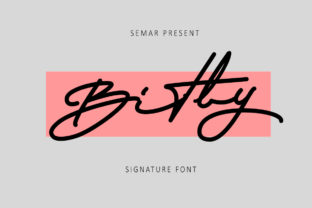
Bitly: The Handwritten Typeface Redefining Modern Design
In a world where digital and physical design intersect more than ever, the choice of typography can make or break a brand's identity. One such typeface that has been gaining traction among designers, marketers, and entrepreneurs is Bitly. Known for its modern, easy-to-use aesthetic, Bitly is not just a font—it's a creative tool that aligns with the evolving needs of today’s design landscape.
As businesses and individuals seek to stand out in an oversaturated market, the importance of unique, visually compelling design has never been higher. Bitly offers a fresh approach, blending the warmth of handwritten style with the precision of digital typography. This makes it an ideal choice for a wide range of applications, from logos and branding to posters, headlines, and even wedding invitations.
What Is Bitly?
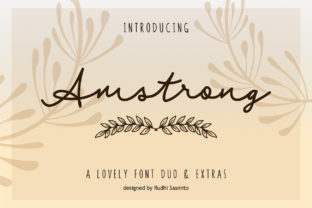
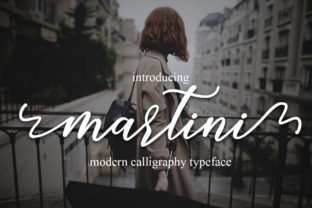
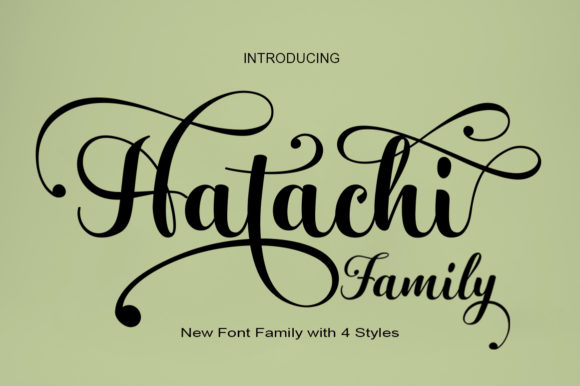
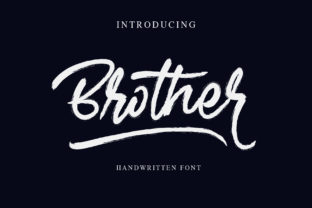
Bitly is a contemporary handwritten typeface that combines elegance with functionality. Its fluid, organic lines give it a personal, authentic feel, while its clean structure ensures readability across various mediums. Unlike traditional serif or sans-serif fonts, Bitly brings a sense of individuality and creativity to any project.
Designed with versatility in mind, Bitly is suitable for both digital and print formats. Whether you're creating a website header, a social media post, or a business card, this typeface adapts seamlessly. Its balance between casual charm and professional polish makes it a favorite among designers looking for a unique yet practical solution.
Why Bitly Fits Into the Broader Design Landscape
The rise of personalized and human-centric design has reshaped the industry. Consumers are increasingly drawn to brands that feel genuine and relatable. In this context, Bitly serves as a powerful tool for conveying authenticity without sacrificing professionalism.
With the growing emphasis on visual storytelling, designers are constantly seeking fonts that can convey emotion and personality. Bitly does exactly that. Its handwritten style evokes a sense of craftsmanship and attention to detail, which resonates with audiences who value quality and originality.
Moreover, the trend toward minimalism in design has led to a demand for clean, uncluttered aesthetics. Bitly strikes the perfect balance by offering a soft, expressive look that doesn't overwhelm the viewer. This makes it particularly well-suited for modern branding, where simplicity and clarity are key.
The Relevance of Bitly in Today’s Creative Industry
As the creative industry evolves, so do the tools and resources that professionals rely on. Bitly has become a go-to choice for those looking to infuse their work with a personal touch. Its popularity reflects a broader shift in how designers and marketers approach typography—moving away from generic options toward more distinctive, character-driven fonts.
Entrepreneurs and small businesses, in particular, have embraced Bitly for its ability to create a strong visual identity without the need for expensive custom typefaces. For startups and independent creators, this accessibility is a game-changer. It allows them to produce high-quality, branded materials that stand out in a competitive market.
Freelancers and graphic designers also benefit from using Bitly. It provides a versatile option that can be applied across multiple projects, from marketing campaigns to editorial layouts. Its adaptability ensures that it remains relevant in a fast-paced industry where flexibility is essential.
Practical Applications of Bitly
One of the most compelling aspects of Bitly is its wide range of applications. From logos to packaging, this typeface can elevate the visual appeal of any project. Let’s explore some real-world examples:
- Logos and Branding: Bitly’s handwritten style adds a unique, personal touch to logos, making them more memorable and engaging. Brands that want to convey creativity and innovation often use this font to differentiate themselves from competitors.
- Posters and Banners: Whether for events, promotions, or public announcements, Bitly enhances the visual impact of posters and banners. Its legibility and style make it ideal for eye-catching designs that communicate clearly and effectively.
- Headlines and Magazine Covers: In publishing, the right font can set the tone for an entire issue. Bitly’s elegant yet approachable look makes it a great choice for headlines and cover designs that aim to capture attention and evoke emotion.
- Wedding Invitations and Stationery: For couples looking to personalize their wedding details, Bitly offers a charming, handwritten aesthetic that feels both intimate and refined. It’s a popular choice for invitations, thank-you cards, and other special occasion stationery.
- Business Cards and Letterheads: Professional yet personable, Bitly is a smart choice for business cards and letterheads. It helps establish a brand’s identity while maintaining a level of sophistication that appeals to clients and partners.
These examples illustrate how Bitly can be integrated into various design elements to enhance visual communication and user engagement.
Connecting Bitly to Larger Trends
The increasing demand for personalized and authentic experiences is driving many industries to adopt more expressive design solutions. Bitly aligns with this trend by offering a font that feels both human and modern. As consumers become more discerning, the need for unique, meaningful design continues to grow.
Additionally, the shift toward remote work and digital collaboration has placed a greater emphasis on visual communication. With more people working online, the importance of clear, visually appealing content has never been higher. Bitly helps bridge the gap between creativity and clarity, making it a valuable asset for teams and individuals alike.
From a technological standpoint, the rise of design software and font libraries has made it easier than ever to experiment with different typefaces. Bitly is part of this ecosystem, offering users a simple yet powerful option that fits seamlessly into their workflow. Whether you’re using Adobe Creative Suite, Figma, or Canva, Bitly is readily available and easy to implement.
Conclusion
Bitly represents more than just a typeface—it’s a reflection of current design values and consumer preferences. Its handwritten style, combined with its modern appeal, makes it a versatile and effective choice for a wide range of applications. As the design industry continues to evolve, fonts like Bitly will play an essential role in shaping the visual language of the future.
For professionals, creators, and entrepreneurs, Bitly offers a way to express individuality while maintaining a level of professionalism that resonates with audiences. Whether you’re building a brand, launching a campaign, or designing for a special occasion, this typeface can help you make a lasting impression.
In a world where first impressions matter, Bitly stands out as a powerful tool that combines creativity with functionality. It’s not just about the look—it’s about the message, the emotion, and the connection that typography can create. With Bitly, the possibilities are endless.