Struggling
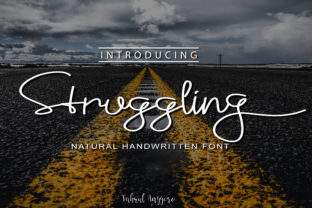
Struggling is more than just a font—it's a powerful tool that brings authenticity and personality to your design work. Its natural, handwritten style adds a human touch that can elevate everything from branding to digital marketing materials. For designers seeking to create unique visual identities, Struggling offers a fresh alternative to standard typefaces, making it an essential addition to any creative toolkit.
In the world of graphic design, typography plays a crucial role in shaping how audiences perceive a brand or message. Struggling stands out by combining readability with a handcrafted aesthetic, making it ideal for projects that require both clarity and character. Whether you're working on a logo, a social media post, or a magazine layout, this font can help you achieve a balanced and visually appealing result.
Applications in Branding and Visual Design
When it comes to branding, consistency is key. Struggling can be used to reinforce a brand's identity through its distinctive style, adding a layer of warmth and approachability. It works particularly well for businesses that want to convey creativity, craftsmanship, or a personal connection with their audience. From business cards to packaging, this font helps create a cohesive look that resonates with users.
For logo design, Struggling offers flexibility. It can serve as a primary typeface or complement other elements in a logo, such as icons or symbols. Its natural flow makes it suitable for both minimalist and intricate designs, allowing for creative exploration while maintaining legibility at different sizes.
Enhancing User Engagement
In digital marketing and social media, visual appeal is essential for capturing attention. Struggling can be used in graphics, banners, and captions to add a dynamic, personalized feel. Its handwritten style can make content feel more relatable, encouraging engagement and building a stronger connection with the audience.
Web design and UI/UX also benefit from the use of Struggling. When integrated thoughtfully, it can enhance the user experience by guiding attention through visual hierarchy. Pairing it with a clean, modern sans-serif can create contrast that improves readability without sacrificing style.
Practical Tips for Using Struggling
To get the most out of Struggling, consider the context of your project. For instance, it may not be the best choice for body text in long-form articles, but it excels in headings, titles, and short phrases. Always test the font at different sizes and on various backgrounds to ensure it remains readable and effective.
When using Struggling in combination with other design elements, pay attention to color, spacing, and alignment. A well-chosen color palette can enhance the font’s natural charm, while proper spacing ensures it doesn’t feel cluttered or overwhelming. Consistency across all design assets helps maintain a professional appearance.
- Use Struggling for headlines, logos, and short text blocks
- Avoid using it for large paragraphs of text
- Pair it with complementary fonts for balance and contrast
- Test readability on different devices and screen sizes
Ultimately, the success of any design project depends on thoughtful choices. Struggling provides a versatile solution for those looking to add a personal and authentic touch to their work. By understanding its strengths and limitations, designers can harness its potential to create compelling, memorable visuals that resonate with their audience.