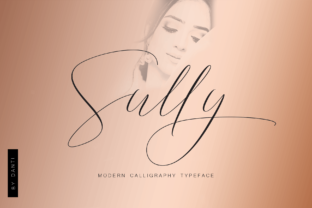
Sully: The Elegant Handwritten Font for Every Creative Need
If you're looking for a font that brings a personal touch to your designs, Sully is a strong contender. This elegant handwritten font offers a natural, organic feel that can elevate everything from formal invitations to casual social media posts. Its fluid lines and expressive character make it ideal for those who want to add a human element to their work.
Why Sully Stands Out in a Crowd of Fonts
Sully isn't just another font—it's a tool that adds personality to any project. Unlike rigid, mechanical typefaces, Sully mimics the way people actually write by hand. This gives it an authentic quality that can make your design feel more approachable and genuine. Whether you're creating a logo, a blog header, or a business card, Sully can help you stand out in a sea of generic fonts.
One of the key advantages of Sully is its versatility. It works well in both digital and print formats, making it a go-to choice for designers, writers, and entrepreneurs alike. Its readability is impressive, even at smaller sizes, which means it can be used in a wide range of applications without losing its charm.
Real-World Applications of Sully
For event planners, Sully is a game-changer when it comes to wedding invitations. Instead of using stock fonts that feel impersonal, they can opt for Sully to give each invitation a unique, handcrafted look. This small detail can make a big difference in how guests perceive the event, adding a sense of thoughtfulness and care.
Bloggers and content creators often use Sully to add visual interest to their posts. A headline styled with Sully can draw readers in and create a more engaging reading experience. It’s especially effective for lifestyle blogs, food sites, or any platform where a warm, personal tone is important.
Business owners looking to build a brand identity might find Sully useful for logos or taglines. While it may not be the best choice for a highly professional corporate look, it can work wonders for creative industries like fashion, art, or independent shops that want to convey a more personal and artisanal vibe.
Who Benefits Most from Using Sully?
Freelancers and small business owners often turn to Sully when they need a quick yet polished solution. For someone who doesn’t have a designer on staff, Sully offers an easy way to enhance their branding without breaking the bank. It’s also a great option for those who want to maintain a consistent visual style across multiple platforms.
Students and educators might appreciate Sully for its ability to make written work feel more dynamic. Teachers could use it in lesson plans or handouts to make the material more visually appealing. Students might use it in presentations or projects to add a creative flair that sets their work apart.
Photographers and artists often incorporate Sully into their portfolios or social media profiles. It can be used to label photos, add captions, or create eye-catching titles that reflect their artistic style. The font’s natural appearance complements creative work and helps tell a story through typography.
Things to Consider Before Using Sully
While Sully is incredibly versatile, it’s important to consider the context in which it will be used. In some cases, such as legal documents or technical manuals, a more traditional font may be more appropriate. Sully works best when the goal is to evoke emotion or create a personal connection rather than convey strict information.
Another thing to keep in mind is the availability of different weights and styles. Some fonts offer bold, italic, or condensed versions, which can expand their usability. If you’re planning to use Sully in multiple formats, check whether additional variations are available to suit your needs.
Finally, always test Sully in the environment where it will be seen. Different screens, printers, and devices can affect how a font looks. Make sure it maintains its clarity and appeal across all mediums before finalizing your design.
When Sully Might Not Be the Best Choice
There are situations where Sully may not be the most effective option. For example, if you're designing something that requires a high level of professionalism, such as a corporate report or a financial statement, a serif or sans-serif font might be more suitable. Sully’s informal nature could undermine the intended tone.
Additionally, if you're targeting a very broad audience, it's worth considering whether Sully will be easily readable for all users. While it's generally legible, some people may find handwritten fonts harder to read, especially in low-light conditions or on small screens.
In short, Sully is a powerful tool for those who want to add a personal, artistic touch to their work. But like any font, it's important to choose it with intention and awareness of its strengths and limitations.